Lactoferrin: A Miracle Molecule for Your Gut
That's not my words - that's literally what this group of researchers called lactoferrin in a recent review.
Heals leaky gut, powerfully reduces virtually all gut symptoms, and even has anti-cancer properties. Here's why it might just be the answer to your digestive symptoms and immune dysfunction - and how to use it yourself.
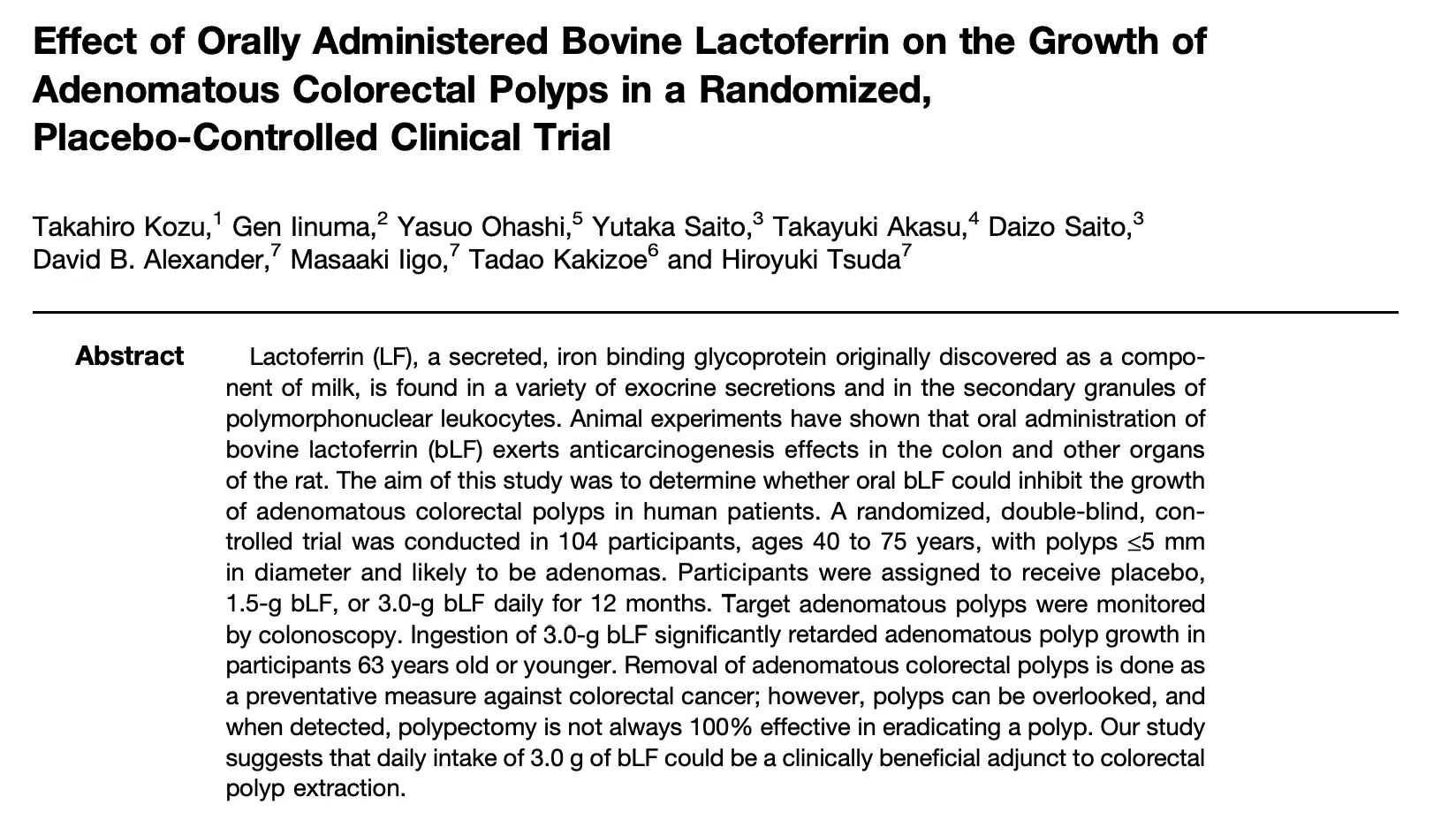
Lactoferrin stops colon cancer.
Shown to prevent and even reverse cancer in the digestive tract of animals. Researchers took the leap and studied it in humans: patients given 3g/day experienced a significant slowdown in colon tumor growth.
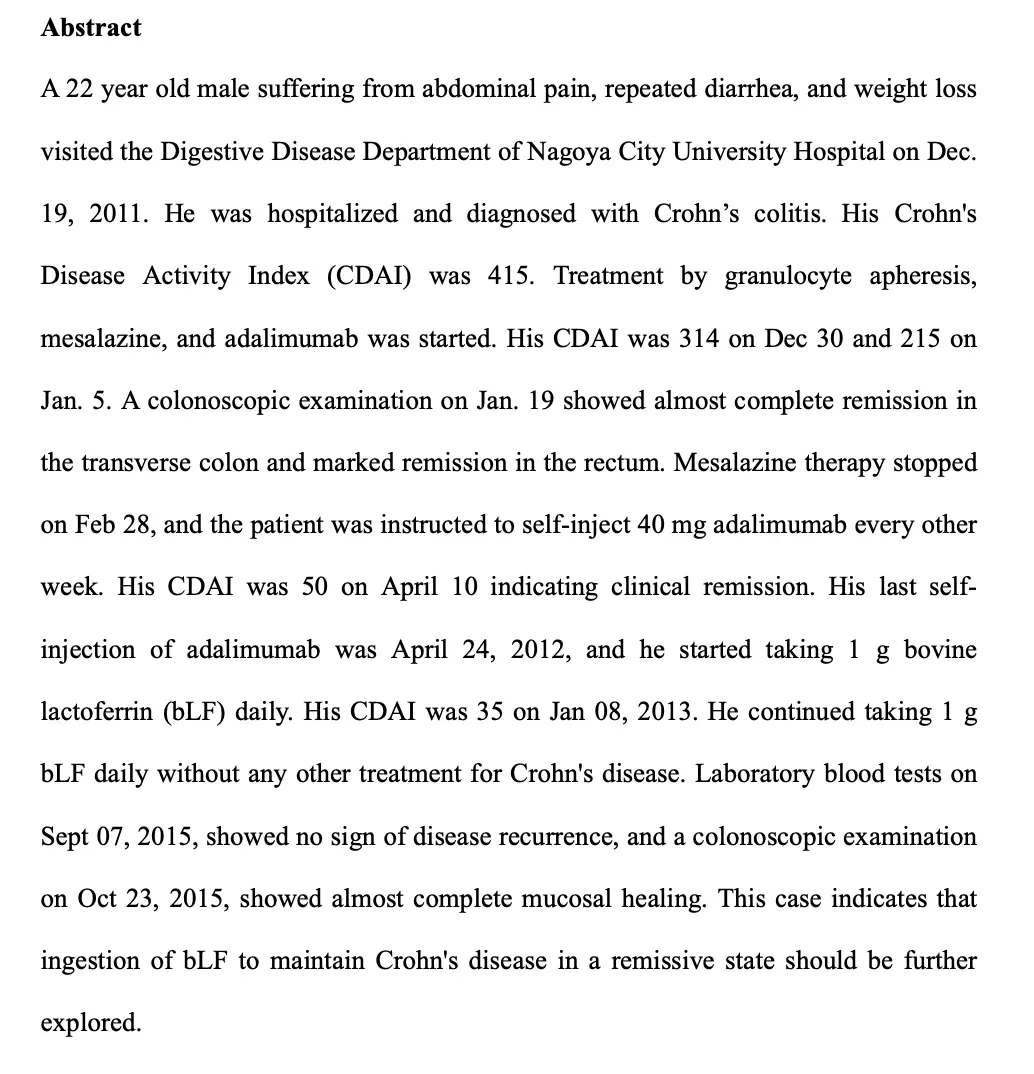
Curing IBD with bovine lactoferrin.
A man with severe Crohn's disease moved to the U.S. and lost access to his prescriptions. He began taking 1g/day of lactoferrin supplement in lieu of them. No relapse. Sustained remission. This case alone should have put lactoferrin on the map.
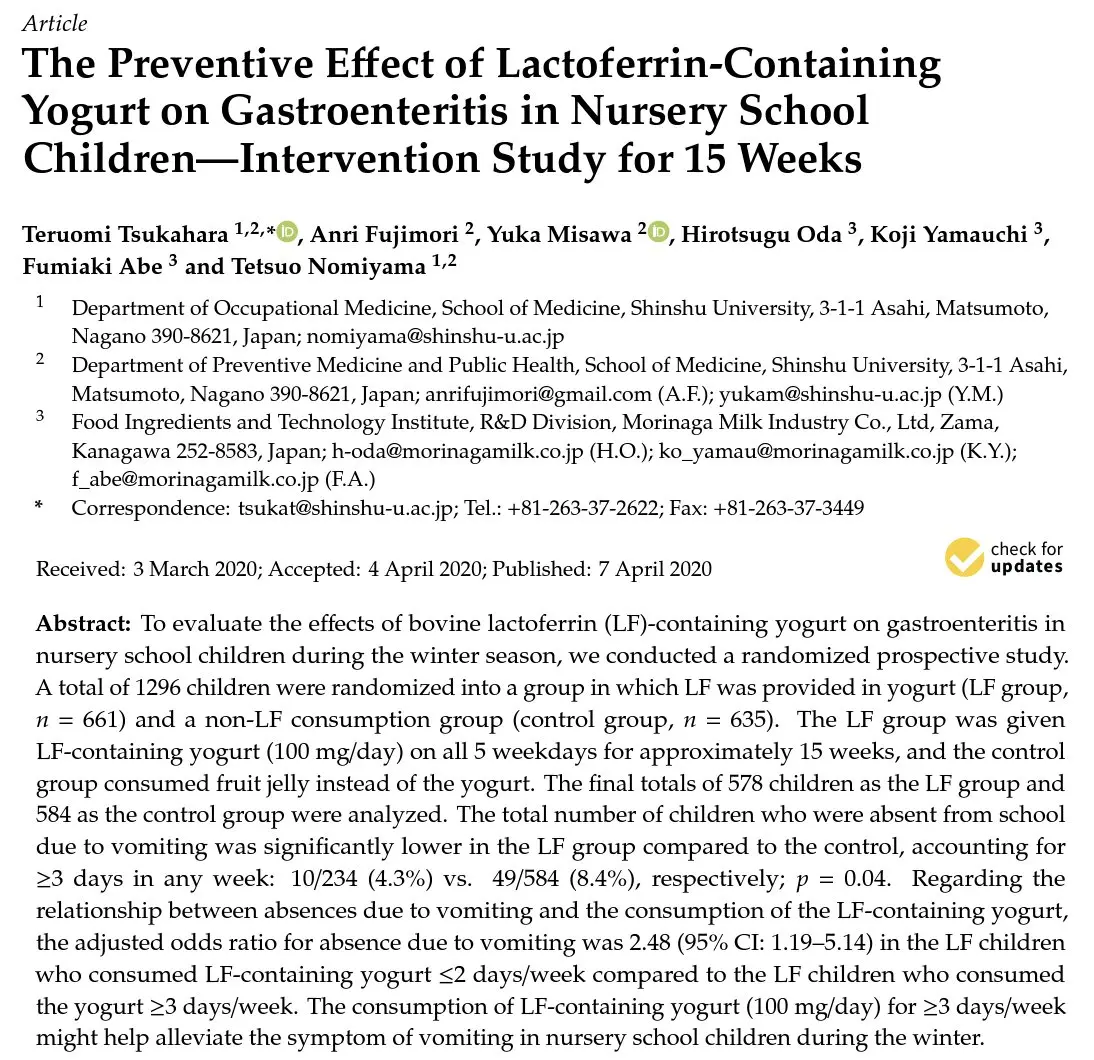
Lactoferrin is strikingly therapeutic for all sorts of gut health issues.
600mg/day dramatically reduces nausea, diarrhea, and abdominal pain in children suffering from digestive disorders. 100mg/day stopped vomiting and inflammation in pediatric patients.
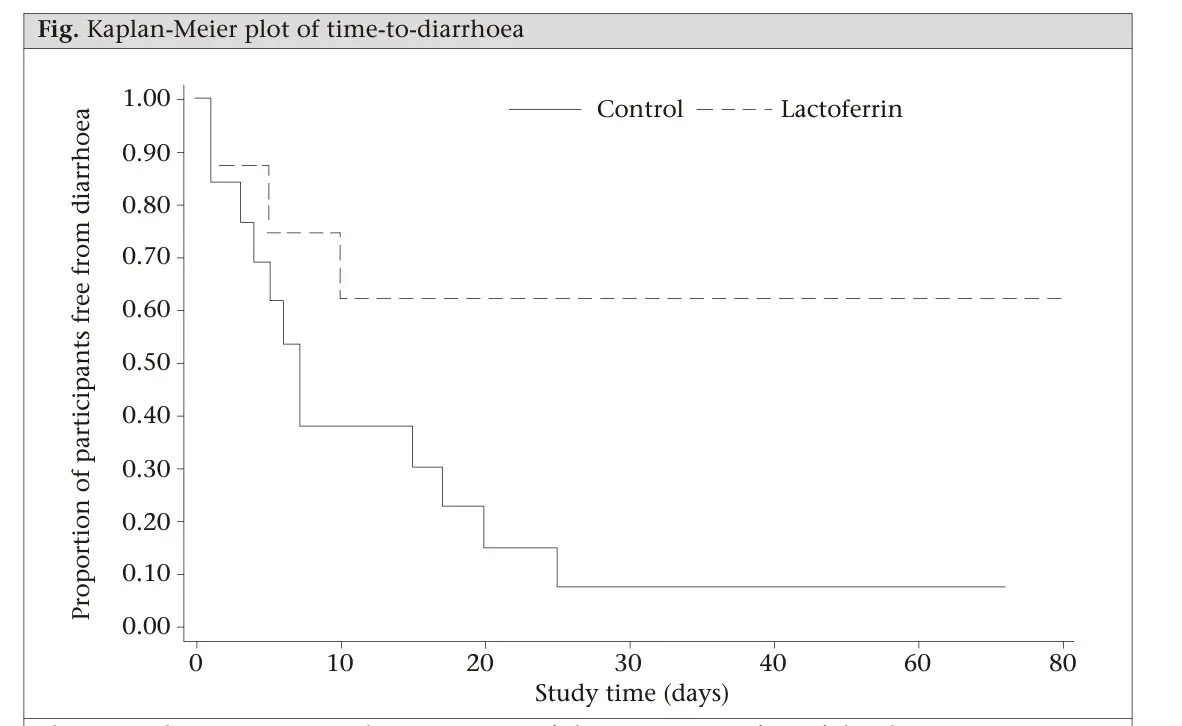
Lactoferrin rapidly stops diarrhea.
3g/day cut antibiotic-associated diarrhea cases in half in under 2 weeks. Unlike antibiotics, the effect of lactoferrin on gut bacteria is selective - fostering the growth of commensal bacteria while also having antibacterial properties.
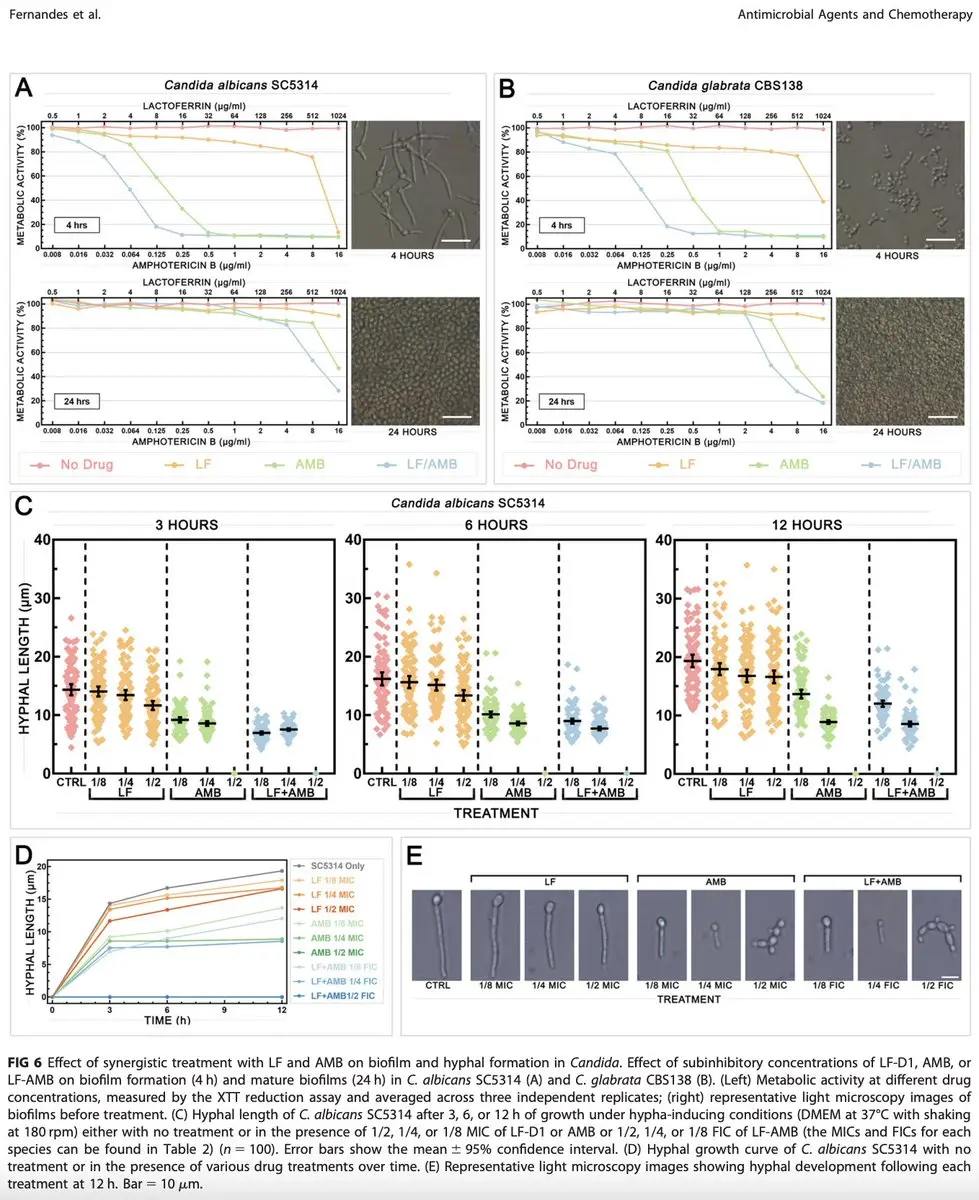
Lactoferrin is a powerful antifungal, even against Candida.
The molecule found in raw milk reduces fungal growth, disrupts fungal biofilm formation, and is synergistic with other antifungals. A good addition to any antifungal regime.
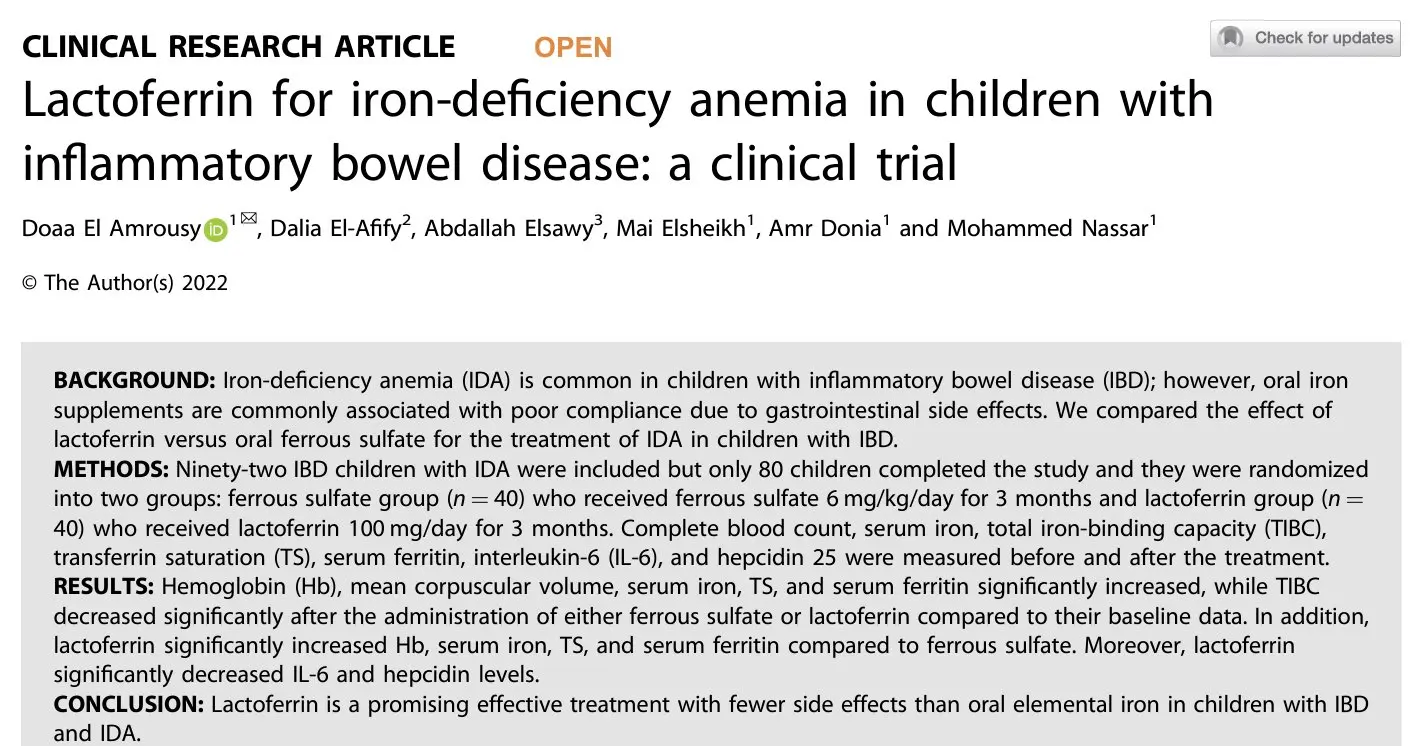
Anti-inflammatory properties of lactoferrin - what the research shows.
In Crohn's patients, just 100mg/day of oral lactoferrin dropped inflammatory markers IL-6 and Hepcidin - two molecules driving disease progression. Lactoferrin reduces these markers through several overlapping mechanisms. How does it do it? Well, let's talk iron metabolism.
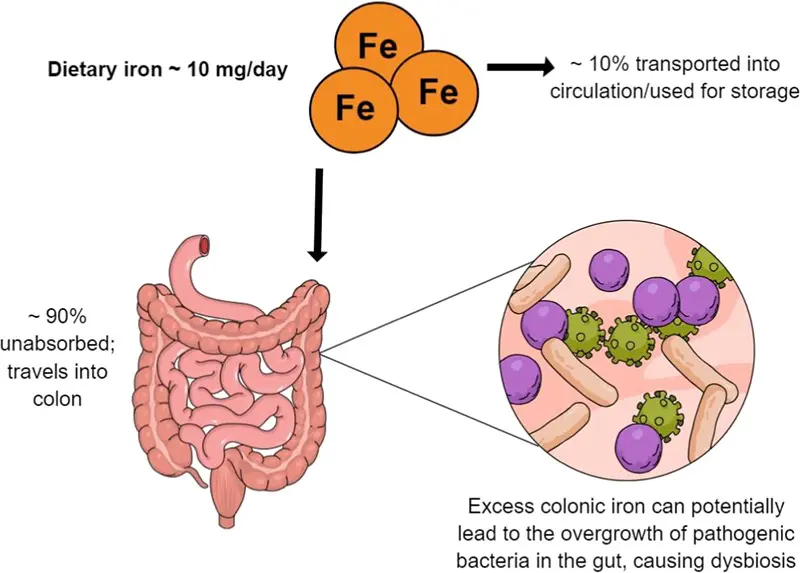
Iron metabolism and why it matters for gut health.
Unabsorbed iron in the gut is no bueno. When iron stays in the gut instead of getting absorbed, it becomes a growth medium for oxidative stress, chronic inflammation, and bacterial overgrowth. Lactoferrin promotes iron absorption by its unique ability to bind to iron directly - sequestering it away from pathogens and shuttling it toward absorption.
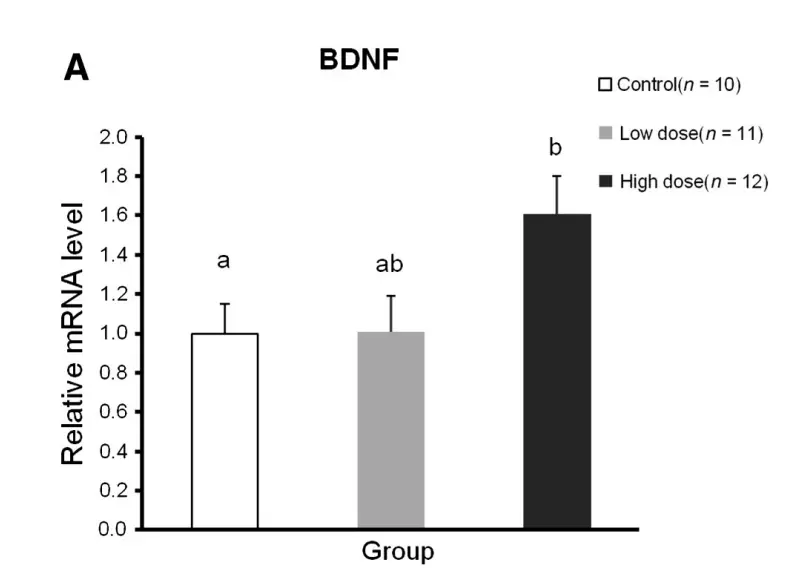
Lactoferrin boosts BDNF and supports the gut's nervous system.
This iron-regulating action is one of the key reasons why lactoferrin reduces both cancer risk and gut inflammation. It also protects the nerves of the gut, which govern pain sensitization and motility.
Lactoferrin is a selective antimicrobial.
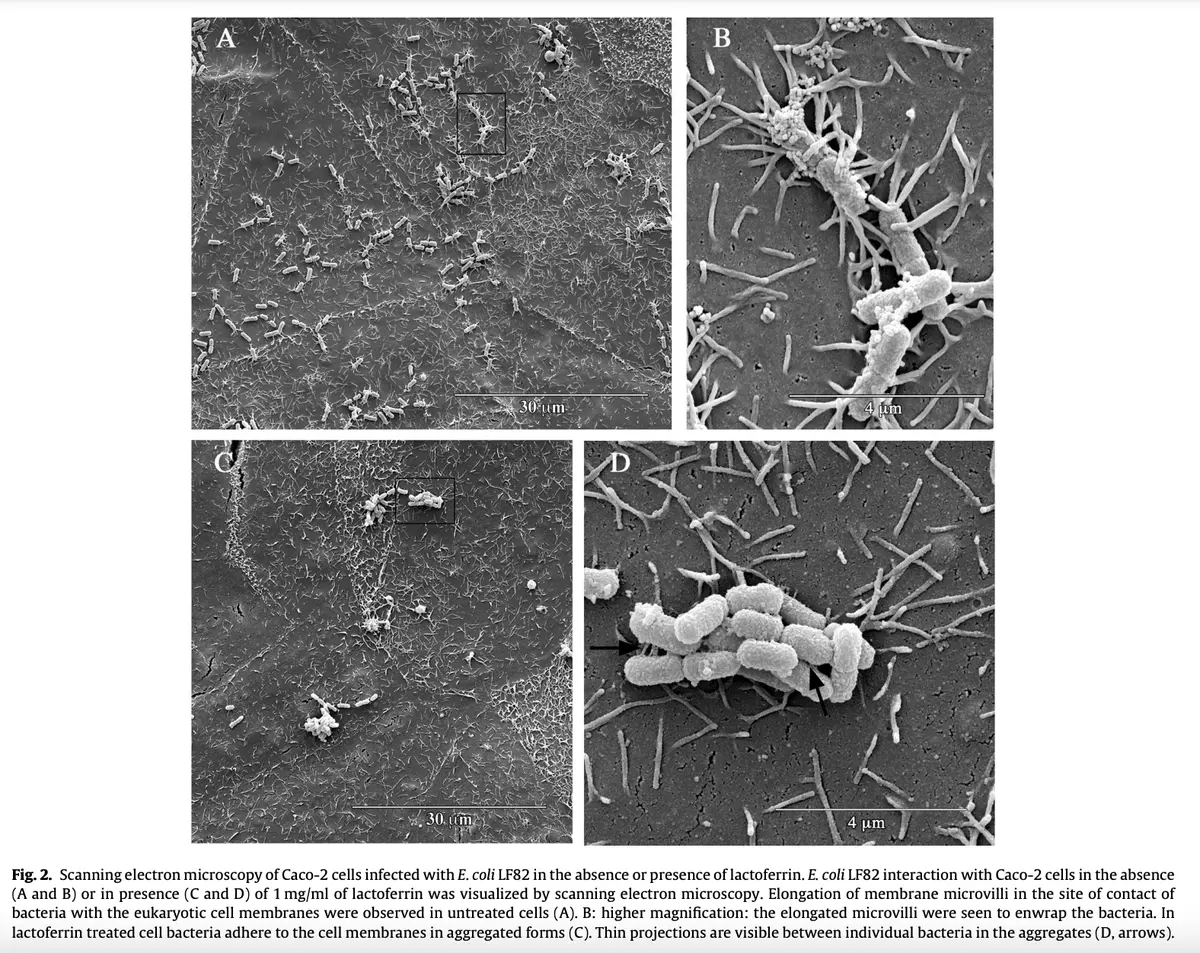
Pathogens like E. coli get starved of iron. Commensals like Lactobacillus and Bifidobacterium thrive, as they require less. The molecule also has direct antibacterial, antifungal, and antiparasitic effects.
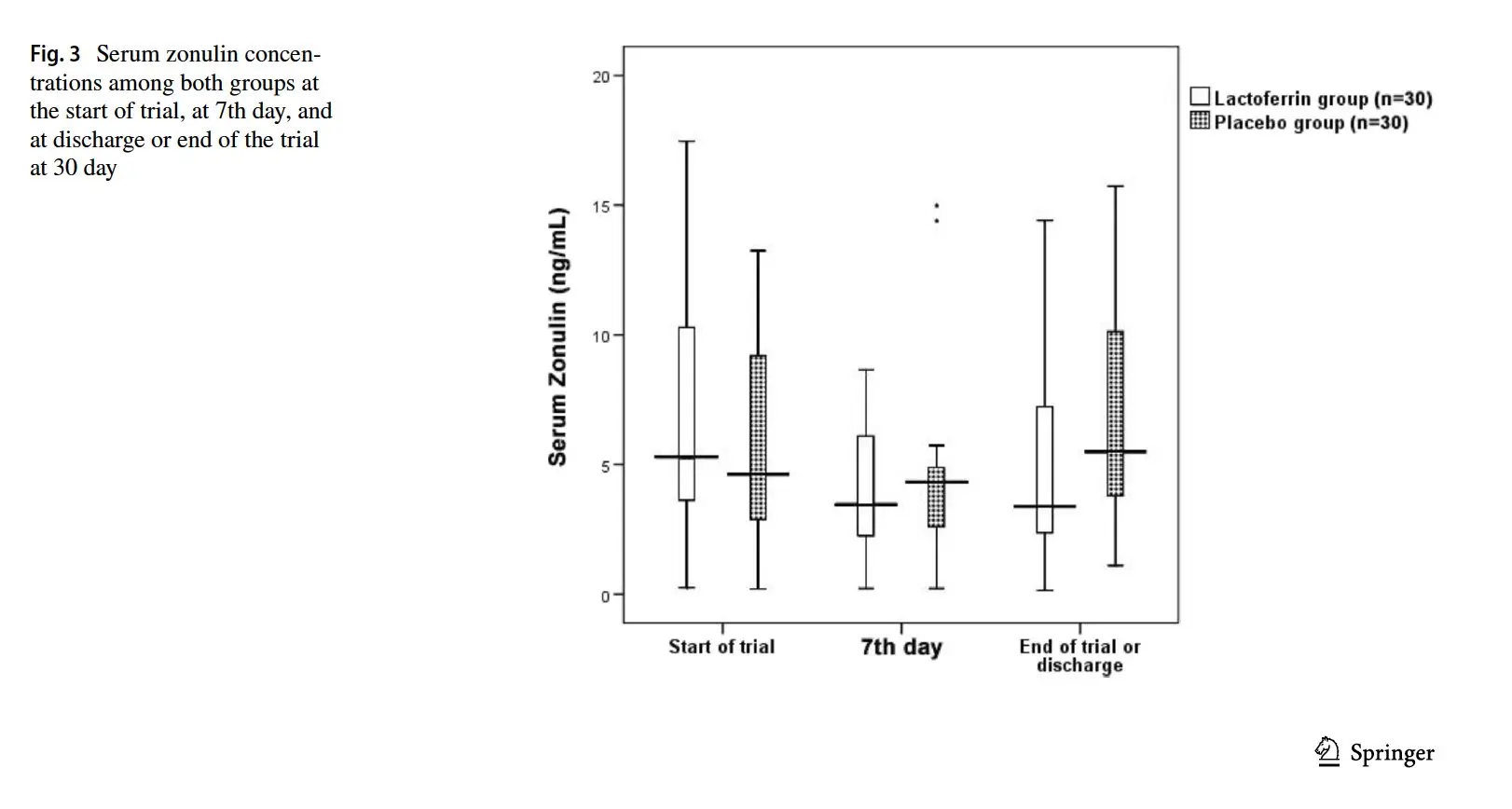
Lactoferrin heals leaky gut.
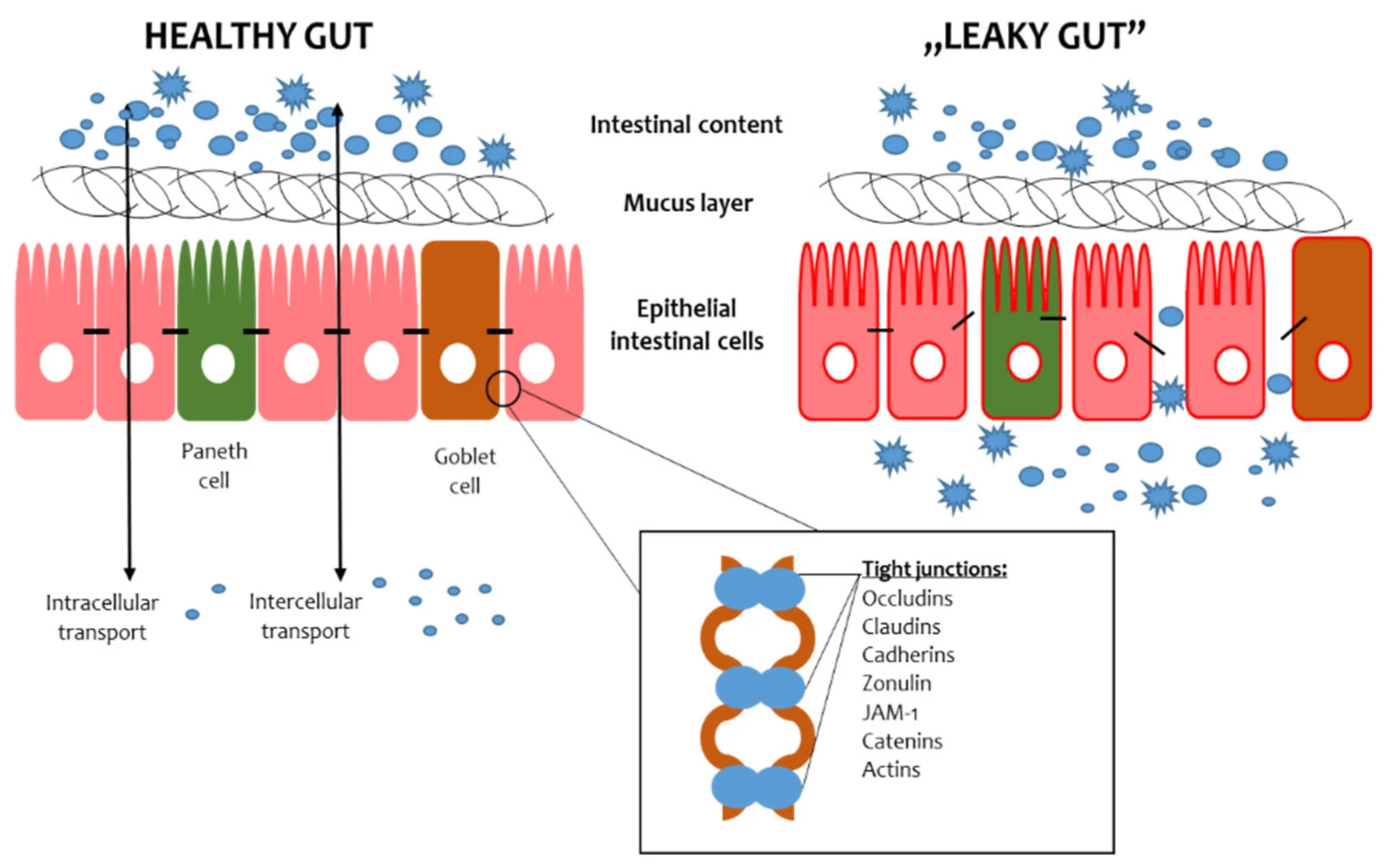
Decreases serum zonulin - a protein released when the gut lining becomes compromised. Lactoferrin stimulates creation of epithelial cells, promotes their differentiation into protective cell types, and increases tight junction proteins to seal gaps. I've written more about gut health here.
Common leaky gut symptoms:
- Bloating
- Gut pain or discomfort
- Loose stools or urgency
- Mood swings
- Skin flare-ups
- Food intolerances
- Insomnia or unrestful sleep
Lactoferrin is one of the few dietary supplements shown to actually rebuild this barrier. I've written more about gut symptoms here.
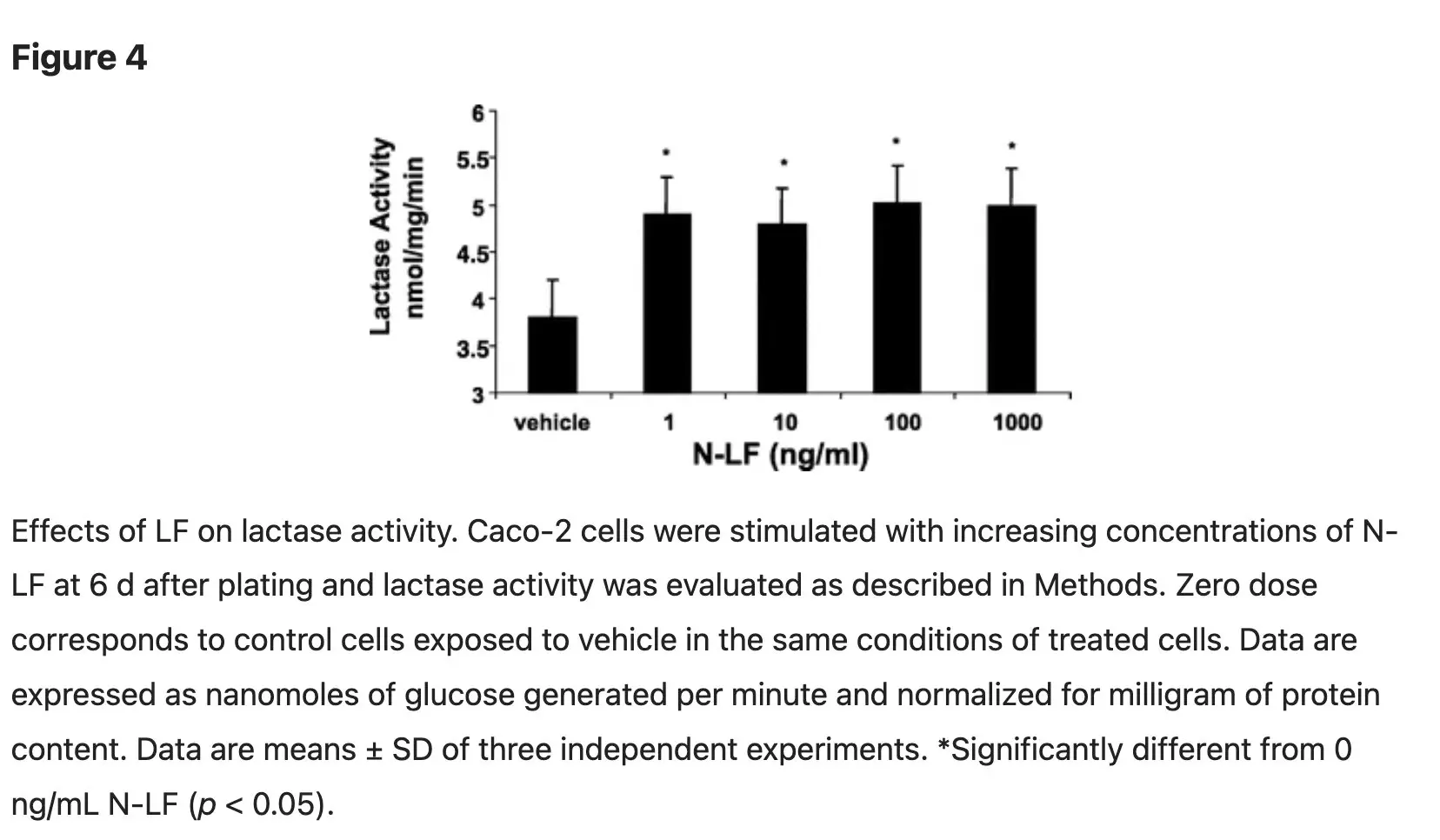
Lactoferrin for lactose intolerance.
Lactoferrin boosts digestive enzyme production - including lactase, the enzyme that breaks down milk sugar. This is one of multiple ways it may benefit lactose intolerance.
Lactoferrin supplementation supports the immune system and immune response.
Things like autoimmunity and allergies are the result of an overactive immune response. Lactoferrin increases tolerogenic immune cells that keep the peace, suppresses overactive CD4+ T cells that drive inflammation, and helps the immune system distinguish between friend and foe. This means fewer reactions to food, better nutrient absorption, and a calmer immune system.
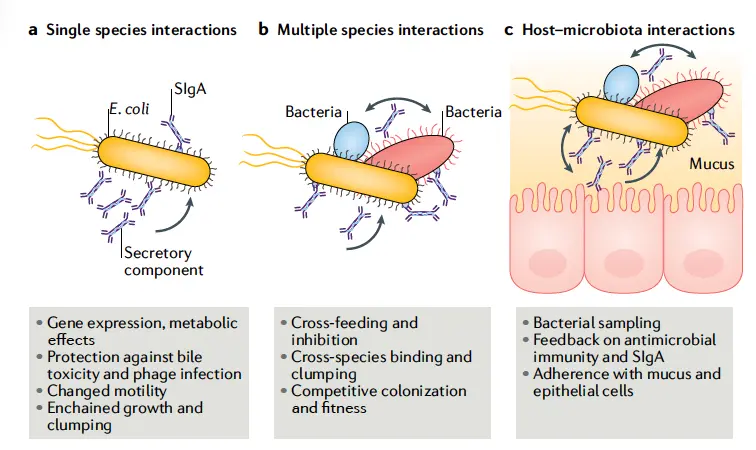
It also ramps up secretory IgA - the antibody that patrols the gut lining. It binds to pathogens before they cause harm and provides protective effect during stress, illness, or gut infections. sIgA becomes depleted with chronic stress - lactoferrin brings it back.
Toll-like receptors (TLRs) are immune sensors that detect bacterial components like endotoxin. They are chronically elevated in IBS and IBD. Lactoferrin helps downregulate TLR expression, preventing excessive inflammatory cascades. This immune support extends well beyond the gut.
Prevention and treatment: bovine lactoferrin dosing and supplementation.
Bovine lactoferrin is the most studied form for prevention and treatment of gut and immune conditions. The food and drug administration considers it generally recognized as safe. Foods that contain lactoferrin naturally include:
- Bovine milk: 20-200 mg/L
- Bovine colostrum: up to 2g/L
Lactoferrin supplementation can be an easier way to get higher doses. Typical dose range: 100mg to 3g/day. Starting at 100-300mg and moving up to 1-3g for more stubborn issues is a good strategy. It is incredibly safe, and highly effective even at the lower end.