5 Supplements That Actually Improve Mitochondrial Function (And Why Each One Works)
Mitochondria generate the ATP that powers virtually every process in your body - and when mitochondrial function breaks down, so does your energy, metabolism, and long-term health. Research shows that mitochondrial dysfunction is a root driver of fatigue, cognitive decline, and metabolic disease, yet most people trying to support their mitochondria are either using the wrong tools or missing key rate-limiting steps entirely. Below are five targeted compounds that address specific mechanisms inside the mitochondria - from antioxidant protection to quality control to substrate availability - and what the evidence actually says about each one.
1. MitoQ - A Mitochondria-Targeted Antioxidant
MitoQ is a modified form of coenzyme Q10 - designed to help it reach the mitochondria more efficiently. This gives it some remarkable properties.
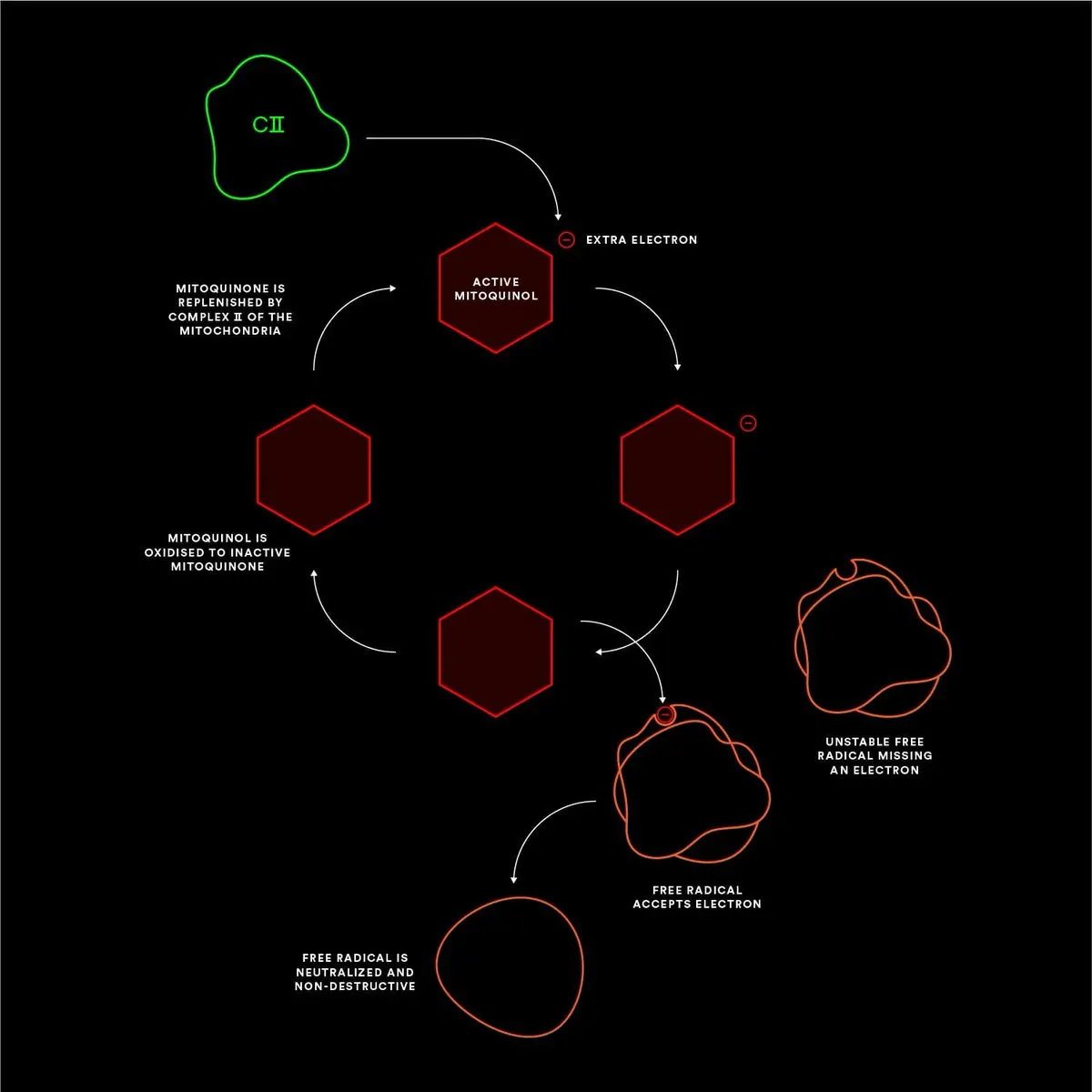
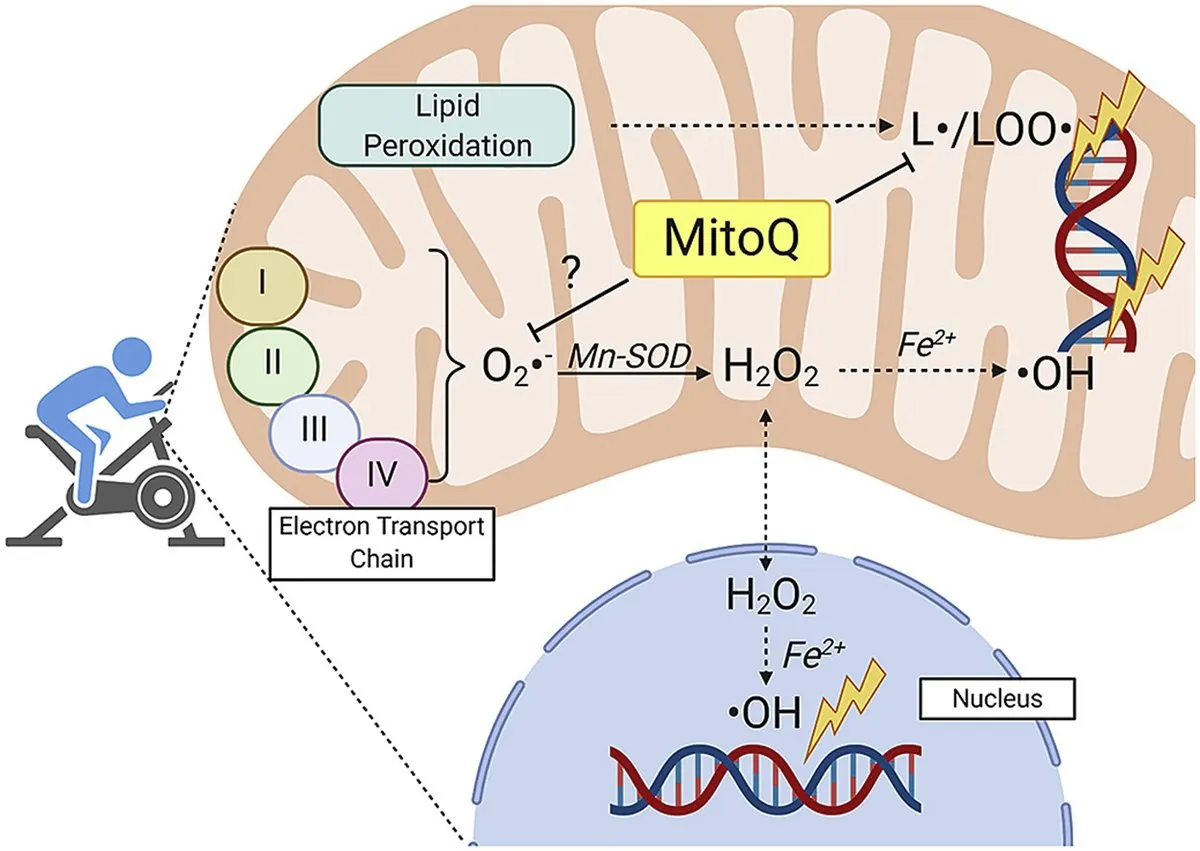
MitoQ works mainly as a mitochondrial targeted antioxidant. A deficiency of antioxidants relative to reactive oxygen species within the mitochondria can both damage the structure of the mitochondria and reduce its energy generation capacity - directly impairing oxidative phosphorylation and ATP output.
Most antioxidants work throughout the cell. MitoQ has the unique ability to target the mitochondria specifically. Typically dosed at 10-20 mg.
2. PQQ - Recycling NAD+ to Restore Cellular Energy
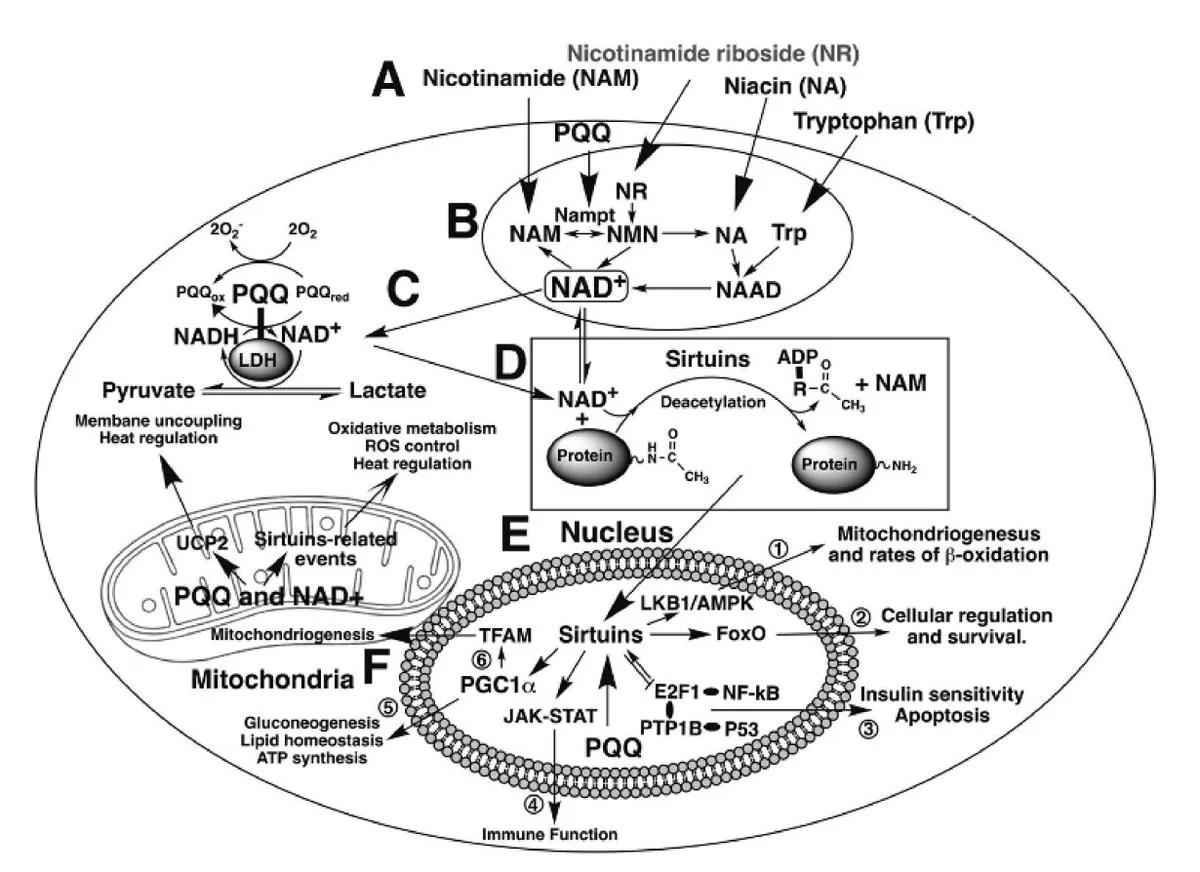
PQQ acts as a redox factor. Its antioxidant properties are massively potent - roughly 100x vitamin C - but its real power comes from its ability to recycle NADH back into NAD+.
NAD+ plays a central role in allowing our cells to burn energy. It also activates factors like sirtuins, which upregulate various metabolic processes. People take NAD+ precursors like NMN and NR to replenish levels, but the real issue is that our cells often get backed up with NADH and can't convert it back into NAD+. PQQ helps with exactly that. Typically dosed at 20 mg.
3. Lipoic Acid - Cofactor and Antioxidant in One
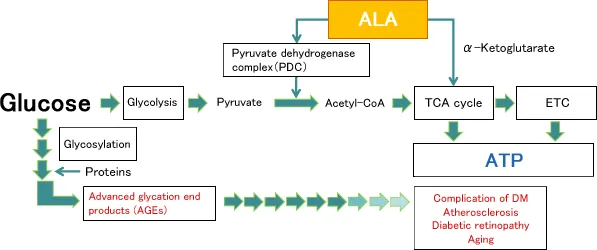
Lipoic acid (ALA) has a ton of important and overlooked properties for mitochondrial function. It serves as an antioxidant within the mitochondria, and it also acts as a direct cofactor for several critical enzymes in energy generation.
Those enzymes include:
- Pyruvate dehydrogenase
- αKetoglutarate dehydrogenase
- Branched chain amino acid dehydrogenase
Typically dosed at 200+ mg.
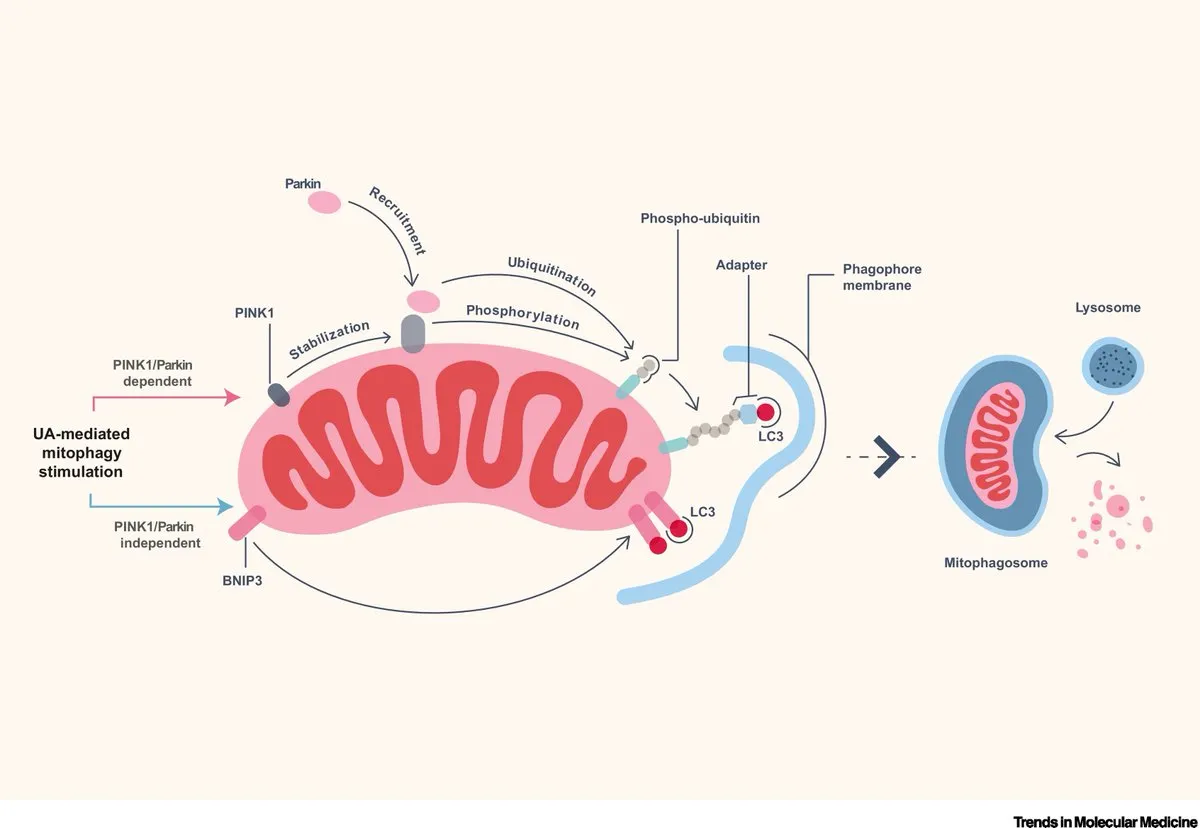
4. Urolithin A - Mitophagy and Mitochondrial Quality Control
Urolithin A is formed by gut bacteria metabolism of certain polyphenols. It mainly works by getting rid of your mitochondria. That doesn't sound good - but this is quality control.
Sometimes your mitochondria are too far gone and you need to trash them and make new ones. This process is called mitophagy. Urolithin A upregulates key proteins needed for the mitophagic process, clearing out damaged mitochondria so healthier ones can replace them. Because gut bacteria produce Urolithin A from dietary polyphenols, gut health directly affects how well this process works. I have written more about the relationship between gut bacteria and systemic health here.
Research on mitophagy signaling pathways has helped clarify why this quality-control mechanism matters so much for sustained mitochondrial output. Typically dosed at ~500 mg.
5. αKetoglutarate - Removing a Key Rate Limiter in the Citric Acid Cycle
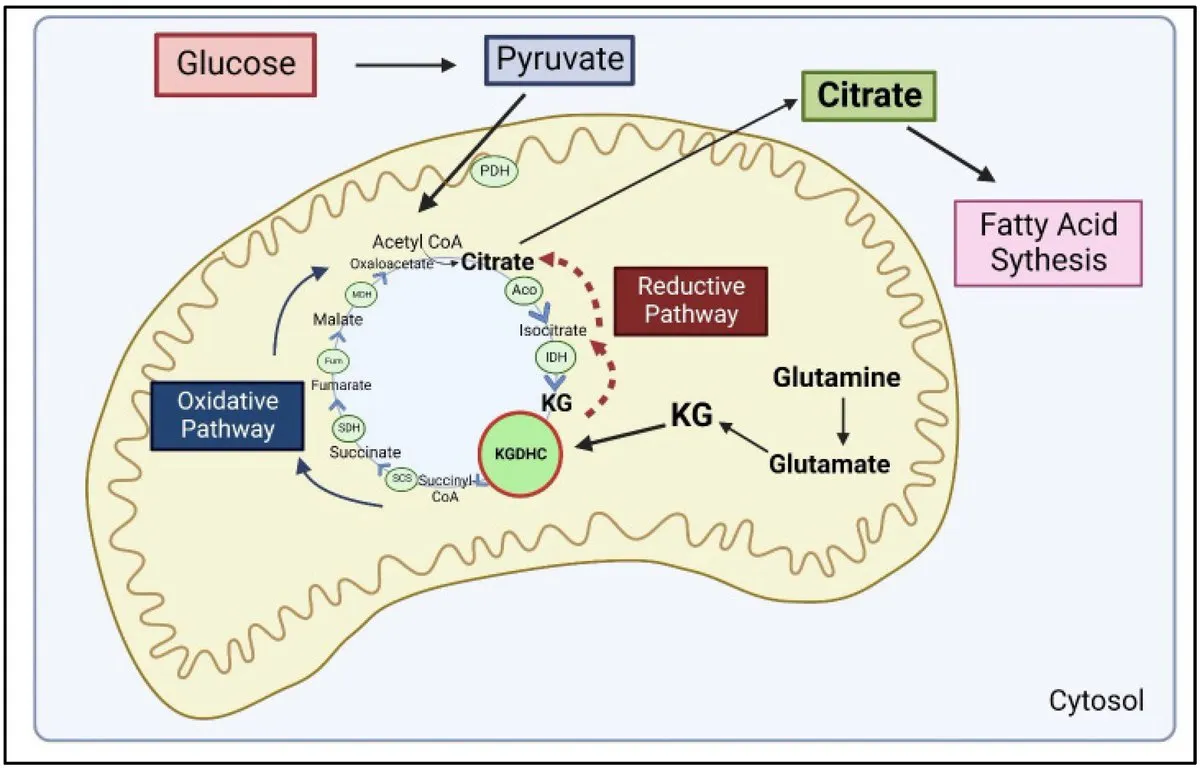
αKG is a molecule our bodies naturally form in the mitochondria during the citric acid cycle, whenever we break down food for energy. It can often become a rate limiter - meaning mitochondria lack enough of it to continue pumping out energy.
This happens for a few reasons:
- Blockages at αKGDH (the enzyme that processes it)
- Conversion to glutamate and glutamine for ammonia clearance
- Use as fuel in other tissues
- Diversion toward glutathione synthesis
Without enough αKG, the citric acid cycle does not work properly and ATP production stalls. Typically dosed at 1,000+ mg.
These Supplements Are Tools, Not the Full Picture
These tools are powerful - but optimizing mitochondrial function and overall health goes beyond a few supplements. Each of these compounds targets a specific mechanism, and knowing which ones apply to your situation matters more than taking all of them at once.
Frequently Asked Questions About Mitochondrial Function
What does mitochondrial function actually mean?
Mitochondrial function refers to the mitochondria's ability to carry out processes like oxidative phosphorylation, ATP production, reactive oxygen species management, and quality control through mitophagy. When these processes break down, energy generation suffers and cellular damage accumulates.
Why does mitochondrial function decline?
Several factors contribute - including a buildup of reactive oxygen species that outpaces antioxidant capacity, NADH accumulation that blocks energy metabolism, depletion of key substrates like αKetoglutarate, and accumulation of damaged mitochondria that should be cleared through mitophagy.
What is the difference between MitoQ and regular CoQ10?
MitoQ is a modified form of coenzyme Q10 designed to reach the mitochondria more efficiently than standard CoQ10. This targeted delivery is what gives it its antioxidant properties specifically inside the mitochondria, rather than throughout the broader cell.
Why isn't taking NMN or NR enough to restore NAD+?
The real issue is often not a lack of NAD+ precursors - it's that cells get backed up with NADH and can't convert it back into NAD+. PQQ addresses this by acting as a redox factor that recycles NADH back into NAD+, which NMN and NR do not directly do.
What is mitophagy and why does it matter?
Mitophagy is the process by which cells remove and replace damaged mitochondria. When mitochondria are too far gone to repair, they need to be cleared out so new ones can form. Urolithin A upregulates key proteins that drive this quality-control process.
How does Urolithin A form in the body?
Urolithin A is formed through gut bacteria metabolism of certain polyphenols. This means gut health and microbiome diversity directly affect how much Urolithin A your body produces - which is one reason gut function has such a broad impact on energy and metabolic health.
What causes αKetoglutarate depletion in the mitochondria?
αKG can become a rate limiter due to blockages at αKGDH, conversion to glutamate or glutamine for ammonia clearance, use as fuel in other tissues, or diversion toward glutathione synthesis. Any of these can stall the citric acid cycle and reduce ATP output.
What dose of lipoic acid is typically used for mitochondrial support?
Lipoic acid (ALA) is typically dosed at 200+ mg for mitochondrial support. At this level it functions both as a mitochondrial antioxidant and as a cofactor for key energy-generating enzymes including pyruvate dehydrogenase and αKetoglutarate dehydrogenase.
Can you take all five of these supplements together?
Each of these compounds targets a different mechanism inside the mitochondria - antioxidant protection, NAD+ recycling, enzyme cofactor support, mitophagy, and citric acid cycle substrate availability. Whether all five are appropriate depends on the individual and the specific bottlenecks in their mitochondrial function.
Want Help Optimizing Your Mitochondrial Function?
Knowing which mitochondrial bottlenecks actually apply to you changes everything. At Prism, we work through the root-cause factors driving your energy and metabolic issues - and build a targeted plan around your specific biology.
Book Your Free Call